
Global supermajor BP Plc's exclusivity with Reliance Industries Ltd has ended but the energy giant will continue to pursue oil and gas as well as mobility ventures in India with the Mukesh Ambani firm owing to an unwritten strategic partnership, BP's outgoing India head Sashi Mukundan said. BP in 2011 spent $7.2 billion to acquire 30 per cent interest in 23 oil and gas blocks of Reliance. Eastern offshore KG-D6 block was the cornerstone of the deal that also provided for a 10-year exclusivity period which meant that BP would take up energy projects or investments in India only in partnership with Reliance.

Consumers are paying an exorbitant 180 per cent tax on petrol, and 140 per cent on diesel in Delhi and in most other towns in India. Little wonder then that the central government expects a staggering Rs 3.46 trillion by levying excise duties on retail sale of the two fuels this year, and Rs 3.2 trillion the next. States would generally have had reason to cheer, as they command a 41 per cent share in Centre's tax revenues. But as the Centre has raised excise duties in the form of "cess," the revenue proceeds are by nature not shareable with states.
Reliance Industries Ltd on Friday reported a 9 per cent rise in its December quarter net profit as a planned maintenance-induced weakness in oil business earnings was offset by stability in retail and telecom verticals. The oil-to-retail-to-telecom conglomerate's consolidated net profit of Rs 17,265 crore, or Rs 25.52 per share, in October-December - the third quarter of the current 2023-24 fiscal - was 9.3 per cent higher than Rs 15,792 crore, or Rs 23.19 a share, earning a year back, according to a company statement. Quarter-on-quarter, the profit was lower when compared to Rs 17,394 crore earnings in the preceding three months ended September 30.
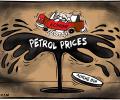
Hyderabad on Monday became the second metro city in the country to see petrol price crossing Rs 100 per litre mark after fuel prices were raised yet again. Petrol price was hiked by 29 paise per litre and diesel by 30 paise, according to a price notification of state-owned fuel retailers. The hike -- 24th in six weeks -- pushed fuel prices across the country to new historic highs. In Delhi, petrol hit an all-time high of Rs 96.41 a litre, while diesel is now priced at Rs 87.28 per litre.
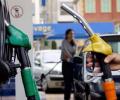
Petrol and diesel prices on Sunday were hiked for the fourth straight day by 35 paise per litre each, pushing pump rates to new record high across the country with states with high incidence of local taxes such as Madhya Pradesh having the costliest fuel. The price of petrol in Delhi rose to its highest-ever level of Rs 109.34 a litre and Rs 115.15 per litre in Mumbai, according to a price notification of state-owned fuel retailers. Diesel now costs Rs 98.07 a litre in Delhi and Rs 106.23 in Mumbai.

Shares of Mukesh Ambani-owned Reliance Industries Limited (RIL) rose nearly 1 per cent on Tuesday, hitting an intraday high of Rs 2,986.05 per share, after most brokerages reacted positively to the company's March quarter (Q4FY24) results. The bullish outlook stems from Reliance Jio's potential tariff hikes, given the competitive landscape, along with slow but steady improvement in the oil-to-chemical (O2C) vertical.

The wholesale price index (WPI)-based inflation eased in January to 0.27 per cent, mainly due to moderation in prices of food items. WPI inflation was at 0.73 per cent in December 2023. The WPI inflation was in the negative zone from April to October and had turned positive in November at 0.39 per cent.

Wholesale price-based inflation rose to an eight-month high of 0.26 per cent in November, driven by a sharp jump in food prices, especially onion and vegetables. The WPI inflation was in the negative or deflationary zone for the past seven months since April and was at (-)0.52 per cent in October. The last positive WPI inflation was recorded in March at 1.41 per cent.

National oil companies are staring at inventory losses as they have to bring down refinery throughputs because of the plunging demand for fuels following the nationwide lockdown to contain the deadly coronavirus infection. India is the world's third-largest energy consumer but the lockdown has shut businesses, suspended flights, stopped trains and brought almost the entire vehicular movement to a halt, impacting fuel demand.

Jet fuel or ATF prices were on Thursday were cut by a steep 4.5 per cent, the first reduction in rates in six months.

Wholesale price-based inflation rate fell to a 3-year low of (-) 3.48 per cent in May on easing prices of food, fuel and manufactured items, strengthening the case for continuing with the pause in rate hike in the coming months of the current fiscal. This is the second straight month when WPI has been in the negative zone mainly on account of a higher base and falling prices of fuel and manufactured goods. Food prices also eased during May. In May, 2022 WPI inflation was at 16.63 per cent. Last month, it was (-) 0.92 per cent.
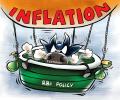
Currently, the retail inflation is well below the RBI's comfort level. The government has asked the central bank to keep inflation in the range of 4 per cent.
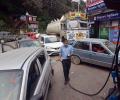
India's appetite for imported crude oil may wane in fiscal year (FY) 2023 from record levels in pre-pandemic 2019-20 fiscal as higher oil prices, a spillover from the conflict in Ukraine, and increasing use of biofuels affect domestic demand for petroleum products. Brent crude surged to a nine-year high, shy of a July 2008 record $147.50 a barrel, before declining to around $100 a barrel - but the volatility in commodity rates will slow global economic growth and use of fuels. Demand for all oil products may grow at only 2-3 per cent in FY23, slower than the current fiscal and nearly half the 5.5 per cent growth estimated by the petroleum ministry, according to industry officials.

At one end the petrol motors have been criticised for consuming high fuel while on the other the diesel motors have also been condemned for being noisy and low powered.
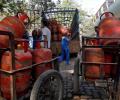
Cooking gas LPG prices may be hiked next week after under-recovery on the fuel widened to over Rs 100 per cylinder, sources said insisting that the rate hike, including the quantum of increase, is dependent on government permission. If allowed, this will be the fifth increase in cooking gas rates across all categories - households using subsidised gas for cooking and heating purposes, non-subsidised fuel and industrial-sized gas. LPG rates were last hiked by Rs 15 per cylinder on October 6, taking the total increase in rates since July to Rs 90 per 14.2-kg cylinder.

The government has chosen to profiteer off people's misery and suffering, Gandhi said.

Petrol price on Thursday was cut by 16 paise per litre and diesel by 14 paise -- the fourth minor reduction in rates in three weeks that followed six months of relentless price increases. Petrol now costs Rs 90.40 per litre in Delhi, down from Rs 90.56, according to a price notification of state-owned fuel retailers. A litre of diesel comes for Rs 80.73 per litre as against Rs 80.87 previously.

Reflective of the conglomerate's ambition to turn into a consumer-driven business, most of the 33 acquisitions in the last financial year were for its digital, retail, or related verticals.

Petrol price was on Wednesday hiked by a steep Rs 3.38 per litre and diesel by Rs 2.67 a litre, reversing a two-month declining trend.

Petrol and diesel prices on Tuesday were cut for the third time within a week on the back of softening international oil prices. Petrol price was cut by 22 paise per litre and diesel by 23 paise per litre, according to a price notification of state-owned fuel retailers. Petrol now costs Rs 90.56 per litre in Delhi and a litre of diesel comes for Rs 80.87. Rates have been reduced across the country and vary from state to state depending on the local incidence of taxation (VAT). In Mumbai, the petrol price was cut to Rs 96.98 a litre on Tuesday from Rs 97.19, while diesel rates were reduced to Rs 87.96 from Rs 88.20, the price notification showed.

Reliance Industries Ltd on Friday reported a 27 per cent jump in its September quarter net profit as earnings from the oil and gas business rebounded, and a pick-up in fashion and grocery helped boost retail revenues. The oil-to-retail-to-telecom conglomerate's consolidated net profit of Rs 17,394 crore, or Rs 25.71 per share, in July-September - the second quarter of the current 2023-24 fiscal - was 27.3 per cent higher than Rs 13,656 crore, or Rs 19.92 a share, earning a year back, the company said in a statement. The net profit was also higher quarter-on-quarter compared to Rs 16,011 crore earnings in the preceding three months ended June 30.

Petrol and diesel prices on Wednesday were hiked by 25 paise per litre each, the third increase this week, propelling petrol price to cross Rs 100 per litre mark in more cities including Bhopal and Indore. Petrol and diesel prices are now at record high across the country, price notification of state-owned fuel retailers showed. In Delhi, petrol now comes for Rs 92.05 per litre and diesel is priced at Rs 82.61. This was the third increase in prices this week and seventh hike since May 4 when the state-owned oil firms ended an 18-hiatus in rate revision they observed during assembly elections in states like West Bengal.
Mukesh Ambani-owned Reliance Industries Limited, which closed down fuel pumps in UP last month due to mounting losses, has denied plans of converting the defunct outlets into malls. The company was forced to shut the outlets as the petrol and diesel sold there were costlier by nearly Rs 10 and Rs 6, respectively, vis-a-vis public sector retailers.

Mukesh Ambani, who took over the reins of Reliance Industries Ltd (RIL) after the sudden demise of his legendary industrialist father Dhirubhai Ambani, completes 20 years at the helm during which the company saw a 17-fold jump in revenues, 20-times surge in profit and has become a global conglomerate.

The banking regulator was uncomfortable with the runaway pace at which consumer credit was growing.
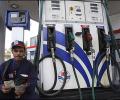
A litre of diesel will cost Rs 48.01 compared to Rs 49.31 at present
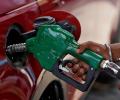
'Pump prices of petrol and diesel have reached historical highs. An unwinding of taxes on petroleum products by both the Centre and the states could ease the cost-push pressures,' the Monetary Policy Committee (MPC) has said.
Petrol price on Tuesday crossed Rs 99 a litre mark in Mumbai after oil companies raised petrol and diesel rates on surge in international oil prices. Petrol price was increased by 27 paise per litre and diesel by 29 paise, according to a price notification of state-owned fuel retailers. The hike - tenth this month - pushed petrol and diesel prices to an all-time high across the country. In Delhi, petrol rates climbed to Rs 92.85 a litre and diesel rose to Rs 83.51.

Retail inflation slowed to 4.29 per cent in April from 5.52 per cent in March, mainly due to easing food prices, government data showed on Wednesday. The Reserve Bank mainly factors in the retail inflation based on Consumer Price Index (CPI) while arriving at its monetary policy. As per the data released by Ministry of Statistics and Programme Implementation, inflation in the food basket was 2.02 per cent in April, down from 4.87 per cent in the preceding month.
State-owned oil companies on Tuesday slashed jet fuel prices by over 3 per cent as an appreciating rupee made imports cheaper.
Petrol and diesel prices were hiked for the fourth consecutive day on Saturday by 35 paise per litre, pushing the total increase in rates on petrol to Rs 36 per litre and on diesel to Rs 26.58 since early May 2020 when taxes on the two fuels were raised to record levels. Petrol in Delhi now costs Rs 107.24 a litre and diesel comes for Rs 95.97, according to a price notification of state-owned fuel retailers. The latest increase that follows the unrelenting hike in international oil prices has pushed pump rates across the country to their highest-ever levels.

India's internet economy is estimated to reach $1 trillion by 2030, primarily due to e-commerce, which is expected to be worth $325 billion and rank third globally, according to industry experts. Last year marked a crucial turning point for India's e-commerce sector, with notable changes in consumer trends, technology, and regulations. InGovern Research Services, a leading corporate governance advisory firm, hosted a virtual roundtable to deliberate on the notable developments in India's e-commerce sector in 2023, with a particular focus on the essential role of customer trust in fueling its ongoing expansion.

Saudi Aramco had right from the beginning resisted the price tag Reliance had put for the 20 per cent stake in O2C business, which comprises the company's twin refineries at Jamnagar in Gujarat, petrochemical plants and 51 per cent in fuel retailing venture.

Adding petrol and diesel to GST was a challenging task due to their significant role as revenue generators for both the central and state governments.

India's industrial production grew by 1 per cent in December, official data showed on Friday. According to the Index of Industrial Production (IIP) data, the manufacturing sector output grew by 1.6 per cent in December 2020.

After unseasonal rains, supply disruptions and pandemic-induced woes pushed retail inflation well over the Reserve Bank's comfort zone in 2020, the scenario is likely to stay that way at least in the short term as economic recovery slowly gains foothold. For most part of this year, pricier food items pushed the retail inflation, based on Consumer Price Index (CPI), higher in the range of 6.58-7.61 per cent, except for March when the reading was 5.91 per cent. Experts believe retail inflation is likely to average around 6.3 per cent this fiscal and mostly will remain sticky going forward owing to pick-up in demand across sectors.
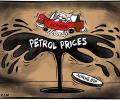
Many states are open to the idea of petrol and diesel being brought under the goods and services tax (GST) regime - contrary to the perception that they are averse to it - but they want a concrete proposal, including a compensation mechanism, from the Centre. West Bengal Finance Minister Amit Mitra says while the issue can be discussed, the Centre may not be keen to bring the change because it earns "much more" from taxes on petrol and diesel. "(The peak rate of) GST is 28 per cent. Under the regime, the Centre would only get 14 per cent. "So, definitely, the Union government does not want GST on fuel. It is all lies. Currently, they are in a very cozy place," Mitra said.

Corporate margins and profits in India remain vulnerable to changes in crude oil prices in the international market. Historical quarterly data from listed companies (excluding banks, finance and insurance, oil and gas, and power sectors) indicate an adverse correlation between corporate margins and crude oil prices.

Amid an outcry over record high petrol and diesel prices, Union Finance Minister Nirmala Sitharaman on Saturday said the Centre and state governments will have to together work out a mechanism to bring retail rates to reasonable levels.

In the next quarter, the country will also start gearing up for various Assembly elections could put the government as well as the OMCs under pressure
